When it comes to the transmission—one of the most complex and critical parts of your imported vehicle—you really can’t afford to ignore the warning signs. Your European or Asian vehicle is a precision machine, and keeping it running smoothly requires paying attention to its internal cues.
At Hopson Import Repair in Louisville, Kentucky, and surrounding areas, we specialize in the delicate art of import auto care. As a Veteran-owned and operated facility with 10+ years of certified experience, we understand that proper transmission maintenance for imports isn’t just a suggestion—it’s a necessity. Knowing when your import transmission needs repair can save you thousands and keep you safely on the road.
Your car is pretty good at telling you when something’s wrong, especially when it comes to the transmission. If you notice any of these issues, it’s a strong indication that it’s time to service your import transmission.
Catching these issues early is the key to preventing a complete, costly breakdown.
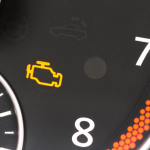
Modern imported vehicles are equipped with sophisticated computer systems that constantly monitor the health of all major components. Never ignore the dashboard lights—they are the most direct signal that it’s time for transmission inspection.
While this light can come on for hundreds of reasons, a significant number of them are related to the transmission. Modern transmissions rely heavily on electronic sensors and solenoids. A fault in one of these can trigger the Check Engine Light (CEL). While the car might seem to be driving fine, the CEL often indicates a problem that is small now but will worsen quickly. Don’t just guess—you need a specialist who can read the complex diagnostic codes specific to your European and Asian vehicle needs.
Some imported vehicles, particularly high-performance models, have dedicated lights for the transmission’s health, such as a “TRANSMISSION OVER TEMP” or a specific gear-system warning light. If these illuminate, pull over safely and have the car towed to an import auto repair shop immediately. Continuing to drive can turn a simple repair into a complete transmission replacement.
Transmission fluid does three crucial jobs: it lubricates the moving parts, acts as a hydraulic fluid to enable gear shifts, and helps cool the entire unit. It is, quite literally, the lifeblood of your transmission.
Some newer import models have sealed “lifetime” transmissions that lack a dipstick, meaning the fluid level can only be checked by a professional. However, if your import vehicle has a dipstick (usually located toward the back of the engine bay), you should check the fluid:
A proper transmission service for import vehicles includes not only replacing the fluid but also inspecting the pan for debris and replacing the filter.
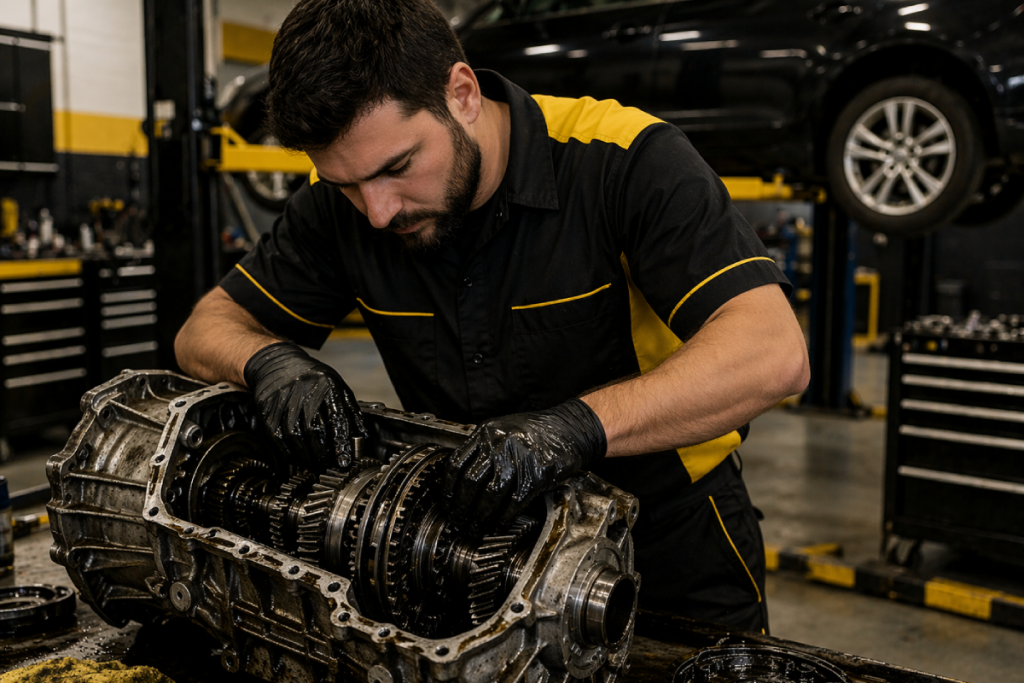
You wouldn’t take a complex machine like a Swiss watch to a general repair person, and the same goes for your Audi, BMW, Mercedes, Honda, or Toyota. Import transmissions are technologically advanced and often use unique design elements, specific fluid formulations, and proprietary electronic control modules.
At Hopson Import Repair, our team is comprised of highly skilled vehicle technicians who provide expert service for all your imported vehicle repair needs. When you need import transmission repair, don’t trust your precision vehicle to just anyone.
The phrase “lifetime fluid” is a marketing term, not a mechanical guarantee. Your driving habits, traffic conditions, and climate all affect your transmission fluid. Regular transmission maintenance for imports is the most effective and affordable way to avoid major repair bills.
Regular service—typically every 30,000 to 60,000 miles, depending on the manufacturer and driving conditions—involves:
By keeping up with your regular transmission service for import vehicles, you’re maximizing your car’s lifespan and maintaining its resale value.
If you’ve noticed any of the warning signs of transmission failure—slipping, clunking, leaks, or a persistent burning smell—the time for hesitation is over. The faster you get your vehicle in for a transmission diagnostic check, the better the chances of a simple, cost-effective fix.
At Hopson Import Repair, we provide import auto repair at a fair price. We offer a warranty on our work and provide a zero percent financing option, because we believe quality repair should be accessible. If you live in Louisville, Kentucky, and the surrounding areas, bring your car to a team with 10+ years of certified experience that you can trust.
Your imported vehicle is a significant investment. Keeping its transmission in top shape is one of the single best ways to ensure it stays reliable and pleasurable to drive for years to come. Knowing when your import transmission needs attention and acting fast is the most financially responsible approach.
Don’t wait for a breakdown on the side of the road. If you suspect any signs of transmission problems, contact the specialists at Hopson Import Repair today at (502) 260-9590.
We’re here to ensure your imported car shifts smoothly, reliably, and efficiently, backed by the expertise of a Veteran-owned and operated business.
Common signs include slipping gears, delayed engagement, strange noises, burning smells, and fluid leaks. Addressing these early can prevent costly repairs.
Most imported vehicles require transmission service every 30,000 to 60,000 miles, depending on driving conditions and manufacturer recommendations.
No, driving with a slipping transmission can cause severe internal damage and lead to complete transmission failure.
A burning smell typically indicates overheated or degraded transmission fluid, which reduces lubrication and increases friction inside the system.
Yes, imported vehicles often require specialized tools, fluids, and expertise due to their advanced engineering and unique design.
Healthy transmission fluid is bright red or reddish-pink. Dark brown, black, or milky fluid indicates contamination or damage.